


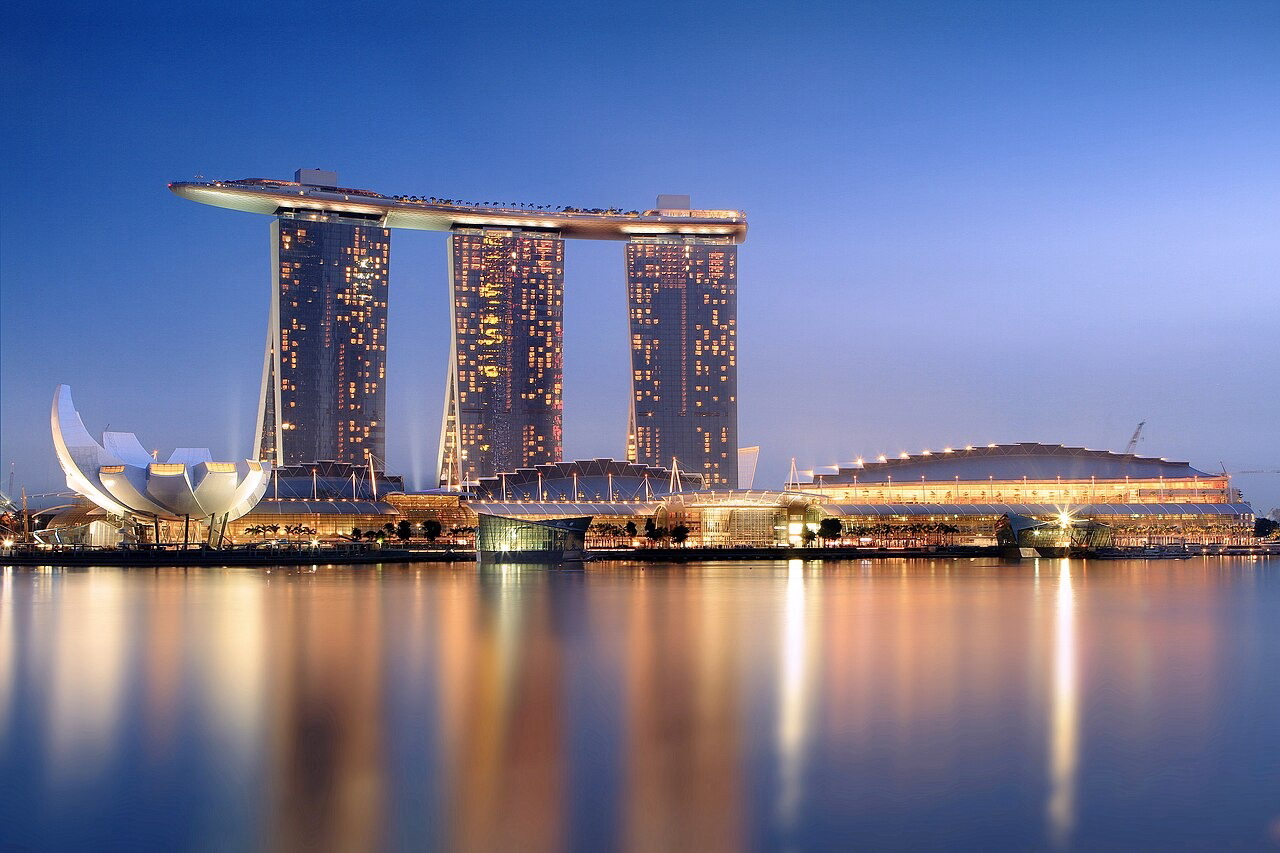
Marina Bay Sands – A world-famous integrated resort with a sky-high infinity pool, luxury shopping, and observation deck.
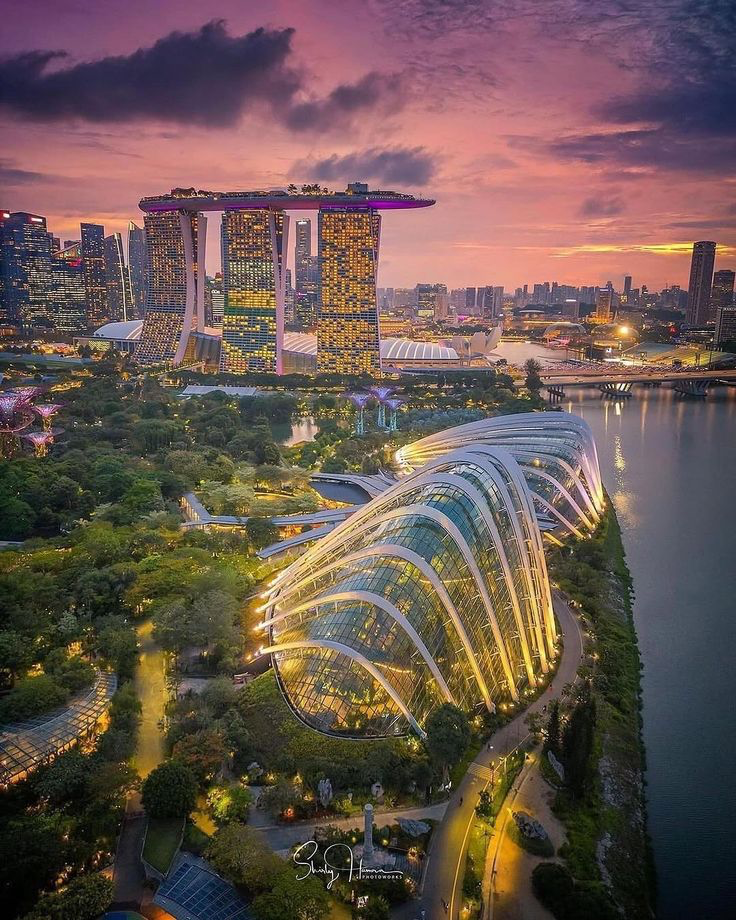
Gardens by the Bay – Home to the stunning Supertree Grove, Cloud Forest, and Flower Dome.
Merlion Park – The iconic half-lion, half-fish statue symbolizing Singapore’s origins as a fishing village.
Singapore Botanic Gardens – A UNESCO World Heritage Site with lush tropical flora and the National Orchid Garden.
Sentosa Island – A resort destination with beaches, adventure parks, and attractions like Universal Studios Singapore and S.E.A. Aquarium.
Chinatown – Offers heritage centers, temples like Sri Mariamman, and authentic street food.
Little India – Vibrant with temples, colorful architecture, and bustling markets.
Orchard Road – Singapore’s premier shopping belt with high-end malls and global brands.Bugis Street Market – Known for affordable fashion, souvenirs, and street food
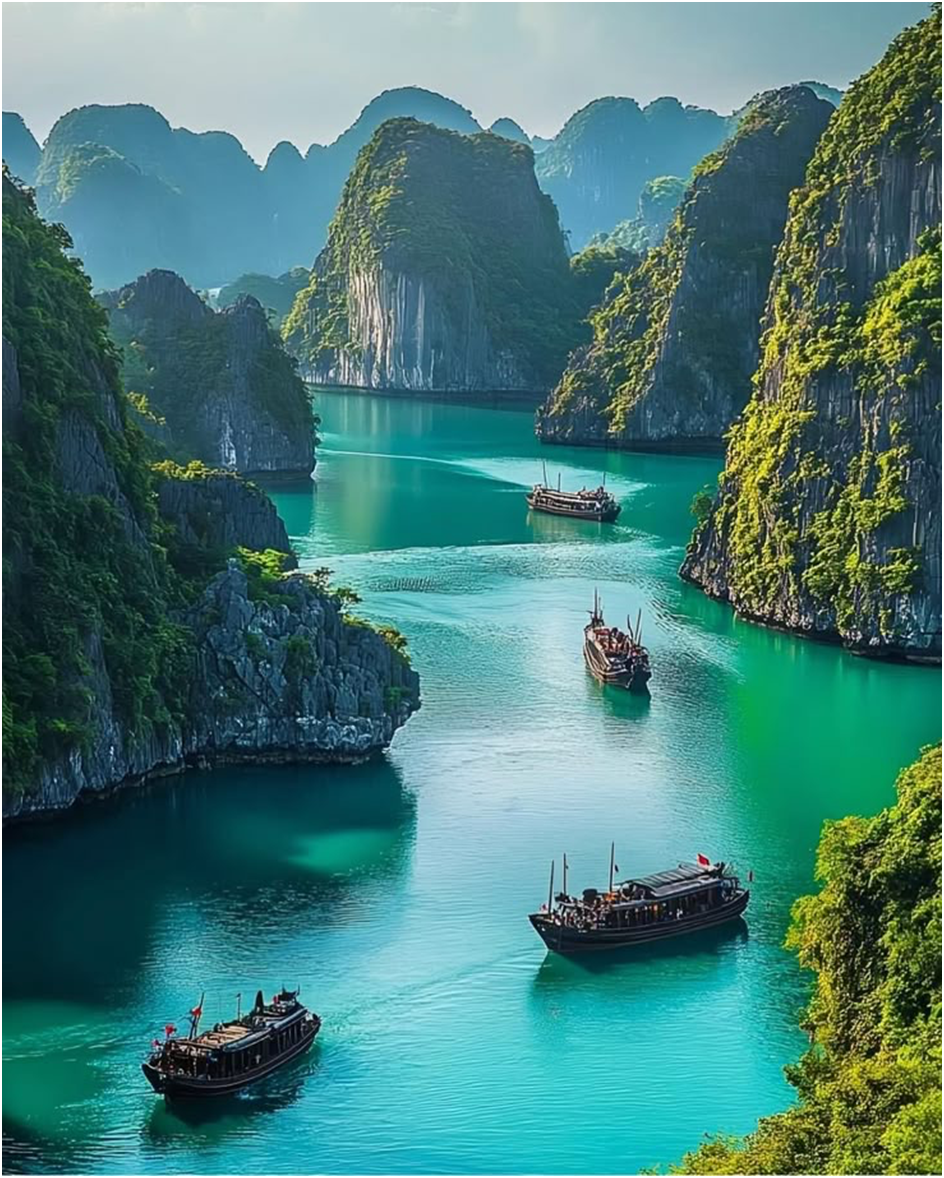
Hạ Long Bay – A UNESCO World Heritage Site, famous for its emerald waters, towering limestone islands, and boat cruises.
Phong Nha-KẻBàng National Park – Known for its massive caves, including Sơn Đoòng—the world’s largest cave—along with underground rivers and jungles.
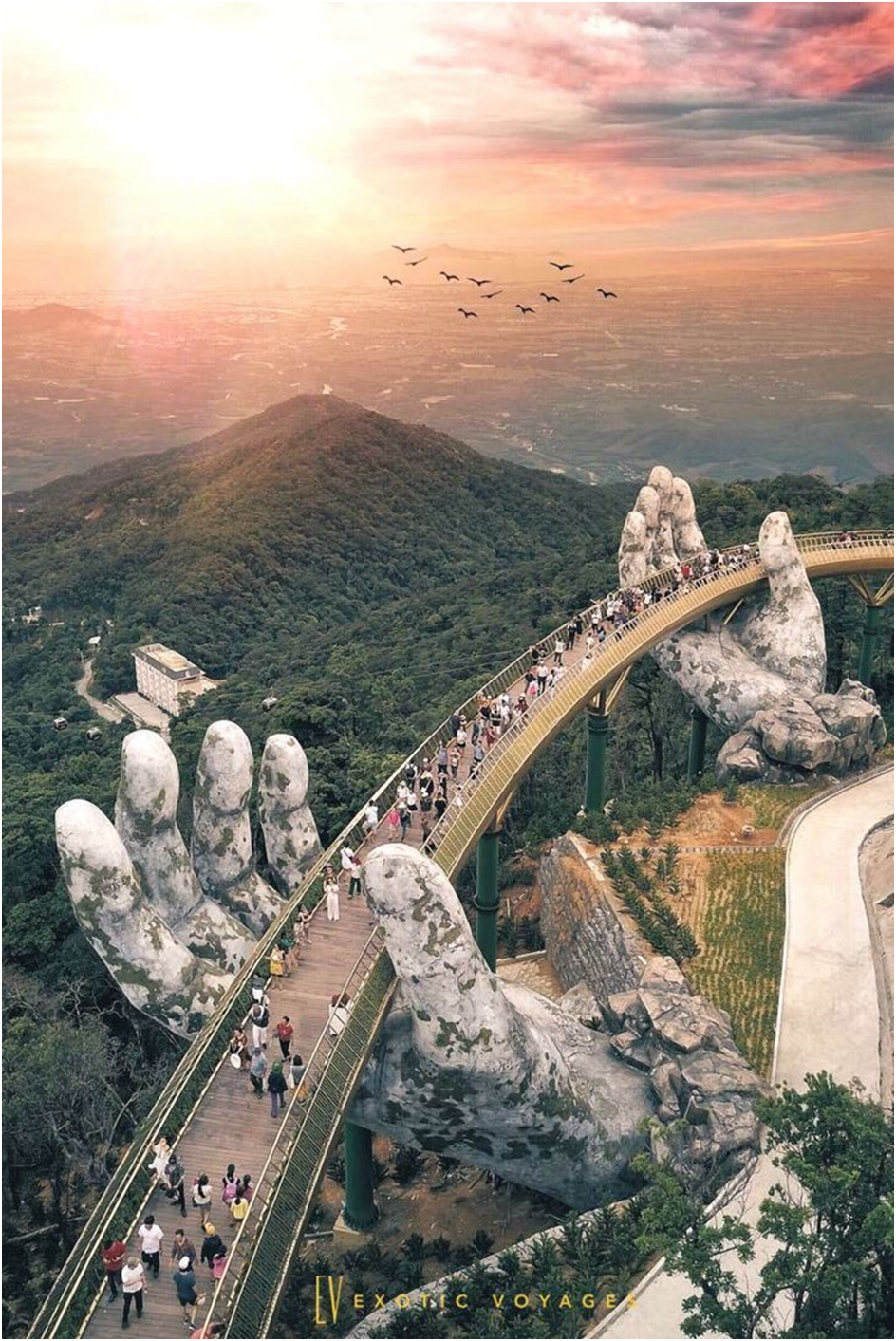
Ba Na Hills & Golden Bridge – Near Da Nang, famous for the Golden Bridge held by giant stone hands and a mountaintop French village.
Hanoi – The capital city with centuries-old architecture, vibrant street life, Hoan Kiem Lake, and the Old Quarter.
Ho Chi Minh City (Saigon) – A dynamic southern metropolis with French colonial buildings, war history museums, and vibrant nightlife.
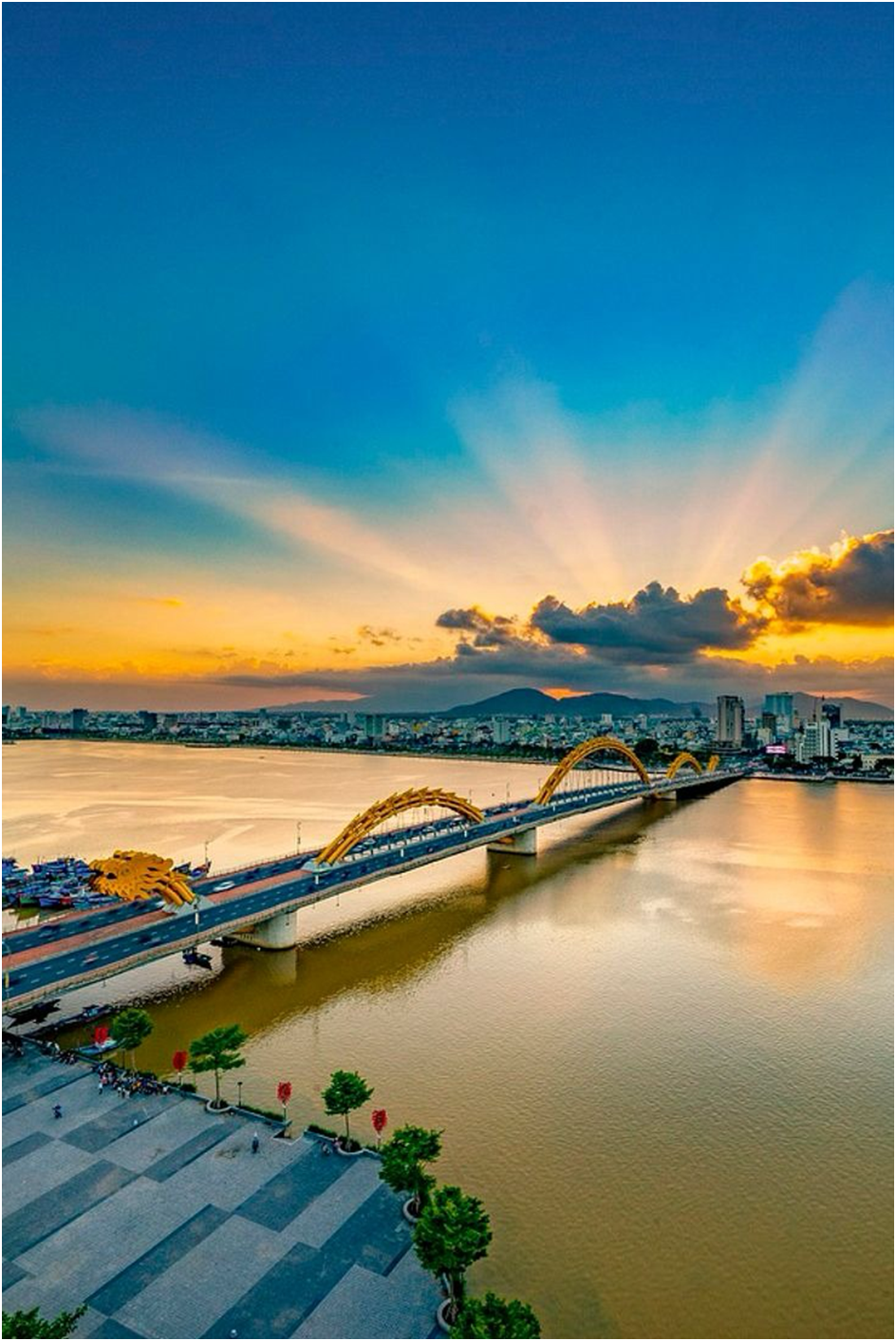
Da Nang -A coastal city known for beaches, modern bridges, and access to the Marble Mountains and Ba Na Hills.
Phu Quoc Island – A tropical island paradise known for white sand beaches, coral reefs, and laid-back resorts.
Nha Trang – Popular for its long beach, hot springs, and scuba diving spots.
Con Dao Islands - A lesser-known island group with serene beaches, hiking, and historical sites.
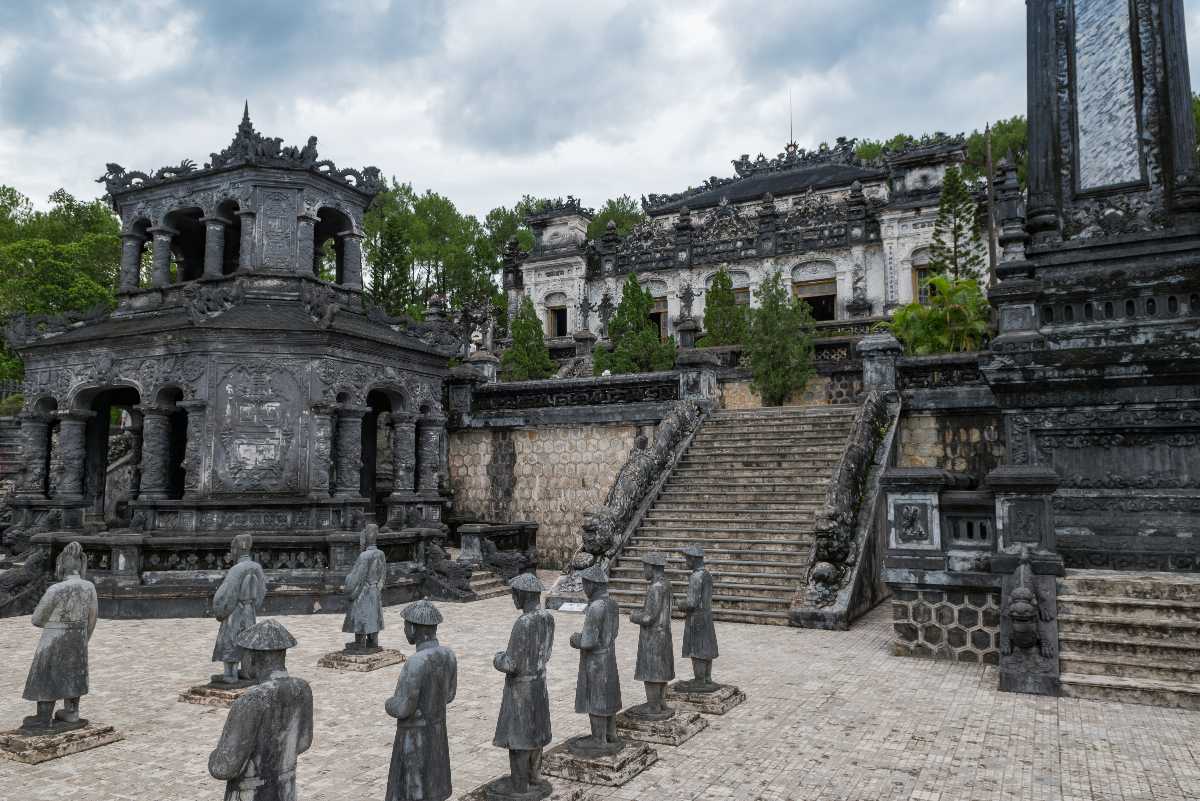
Hue - The former imperial capital with a walled Citadel, ancient temples, and royal tombs along the Perfume River.
Hoi An - A UNESCO-listed ancient town with lantern-lit streets, preserved architecture, and tailor shops.
Cu Chi Tunnels - A lesser-known island group with serene beaches, hiking, and historical sites.
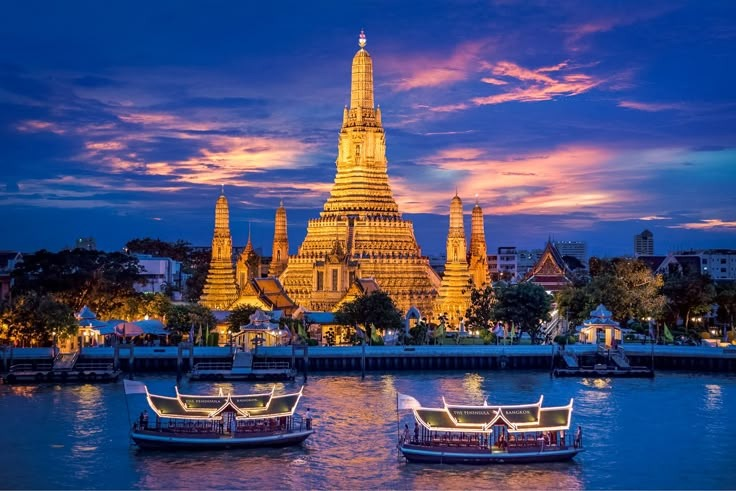
Bangkok -The vibrant capital known for its grand palaces (like the Grand Palace), ornate temples (e.g., Wat Arun, Wat Pho), bustling street markets, and modern shopping malls.
Chiang Mai -A cultural hub in northern Thailand with hundreds of Buddhist temples, night bazaars, and access to mountain tribes and elephant sanctuaries.
Chiang Rai Famous for the stunning White Temple (Wat Rong Khun) and the unique Blue Temple, along with hill tribe villages and tea plantations.
Phuket - Thailand’s largest island with popular beaches like Patong, vibrant nightlife, luxury resorts, and island-hopping tours.
Koh SamuiKnown for palm-fringed beaches, luxury spas, waterfalls, and the iconic Big Buddha temple.
Krabi -Home to dramatic limestone cliffs, Railay Beach, Ao Nang, and gateway to the Phi Phi Islands.
Phi Phi Islands -A scenic group of islands made famous by The Beach movie, known for snorkeling, diving, and Maya Bay.
Koh Tao -A diver’s paradise with vibrant coral reefs, laid-back vibes, and crystal-clear waters.
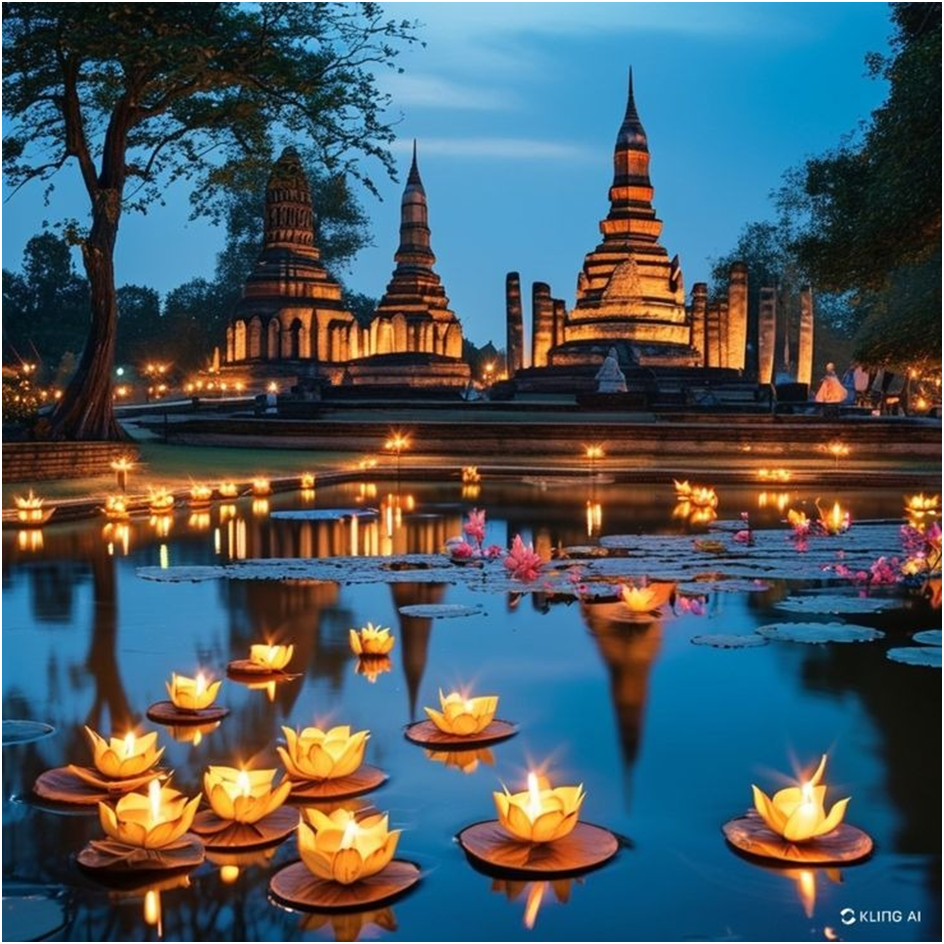
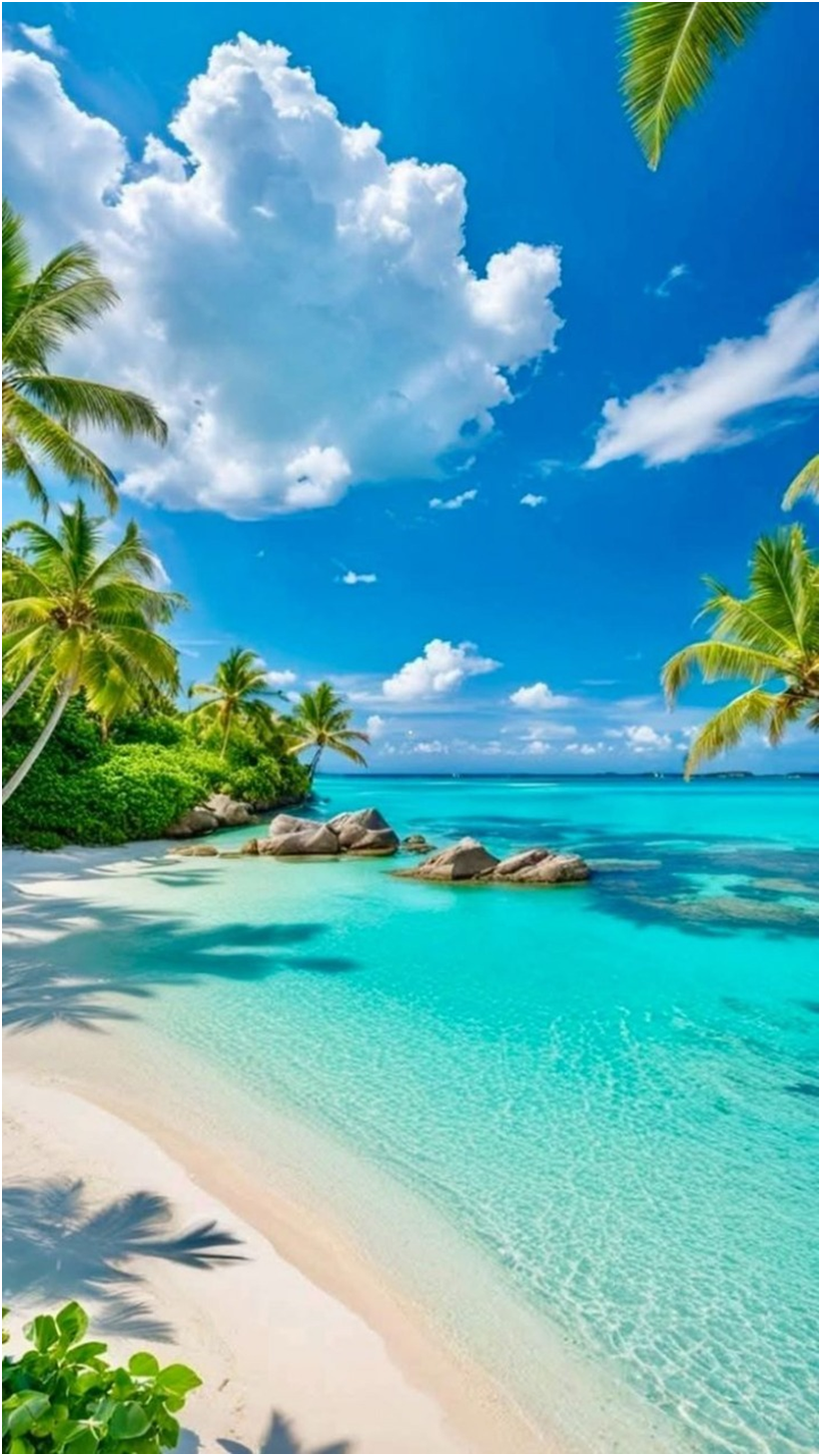
Ayutthaya - A UNESCO World Heritage Site with ancient temple ruins and historical parks that reflect the grandeur of the former Siamese capital.
Sukhothai - The first capital of Thailand, with well-preserved ruins, Buddha statues, and historical significance.
Lopburi - Known for its Khmer temple ruins and a quirky population of free-roaming monkeys.
Pai -A scenic mountain town near Chiang Mai, loved for its hot springs, waterfalls, and laid-back vibe.
Khao Sok National Park - A rainforest reserve featuring Cheow Lan Lake, limestone karsts, floating bungalows, and rich biodiversity.
Erawan National Park- Famous for its emerald green, multi-tiered waterfalls and hiking trails
Doi Inthanon -The highest mountain in Thailand, offering cool weather, royal pagodas, and incredible views.
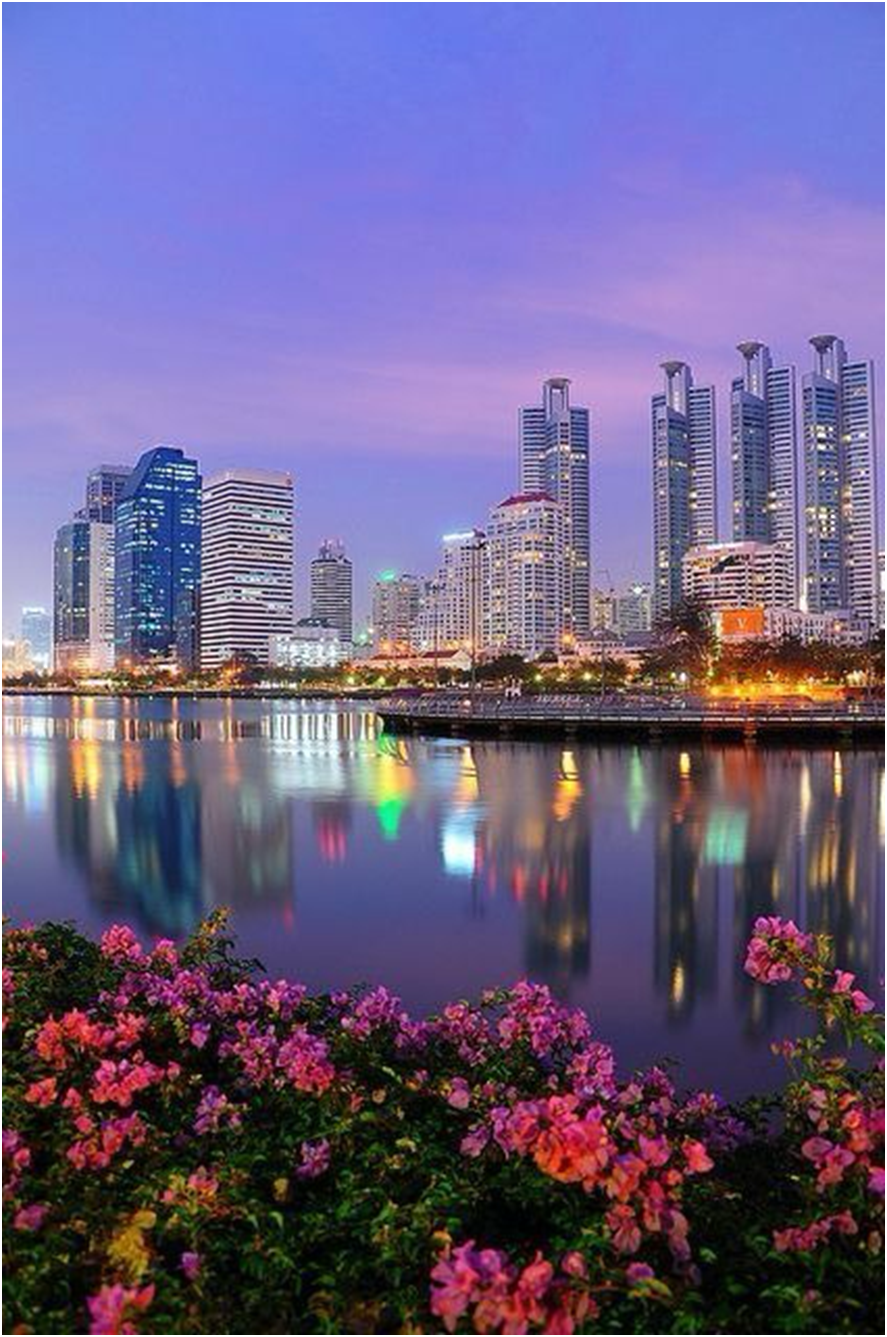
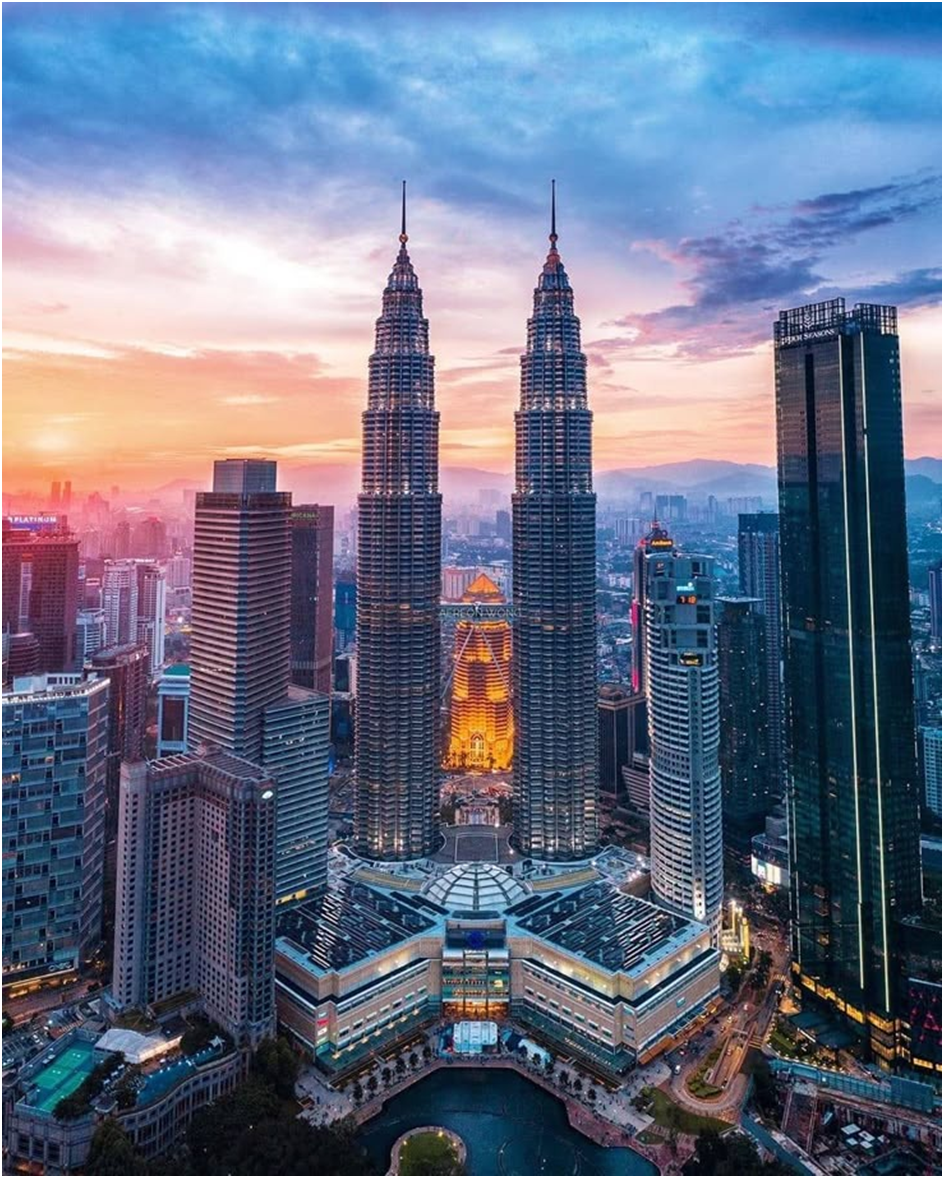
Kuala Lumpur -The capital city, famous for the Petronas Twin Towers, Batu Caves, bustling Bukit Bintang shopping district, and vibrant street food scenes.
George Town (Penang) -A UNESCO World Heritage Site known for colonial architecture, vibrant street art, and one of Asia’s best food scenes.
Malacca (Melaka)A historic port city with Dutch, Portuguese, and British colonial influences, known for Jonker Street and heritage buildings.
Batu Caves - A limestone hill with a network of caves and temples, featuring a towering golden statue of Lord Murugan and a steep 272-step climb.
Islamic Arts Museum Malaysia - Located in KL, it houses one of Southeast Asia’s most impressive collections of Islamic decorative arts and manuscripts.
Kampung Baru (Kuala Lumpur) -A traditional Malay village in the heart of the capital, offering a glimpse into local heritage and cuisine.
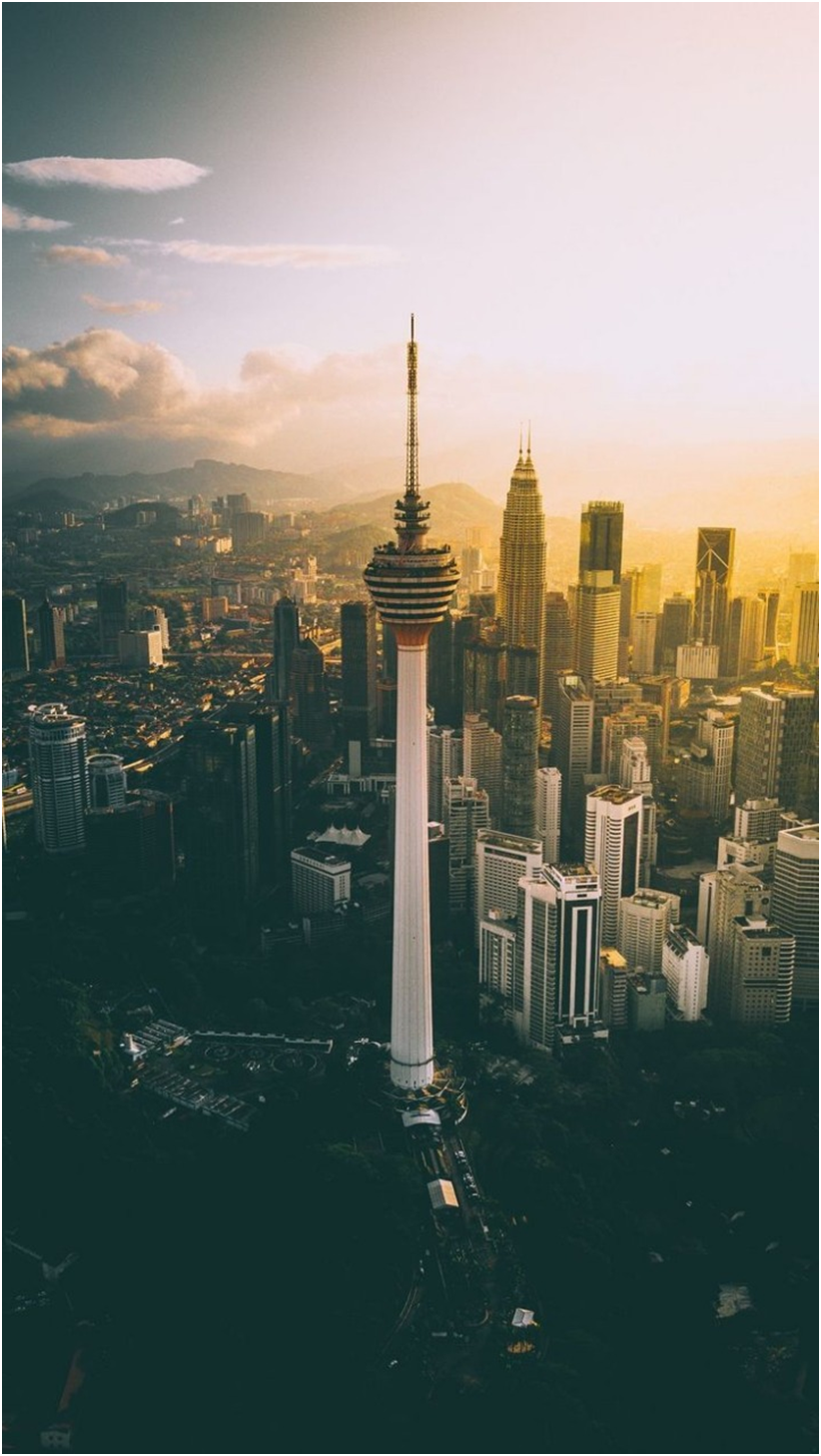
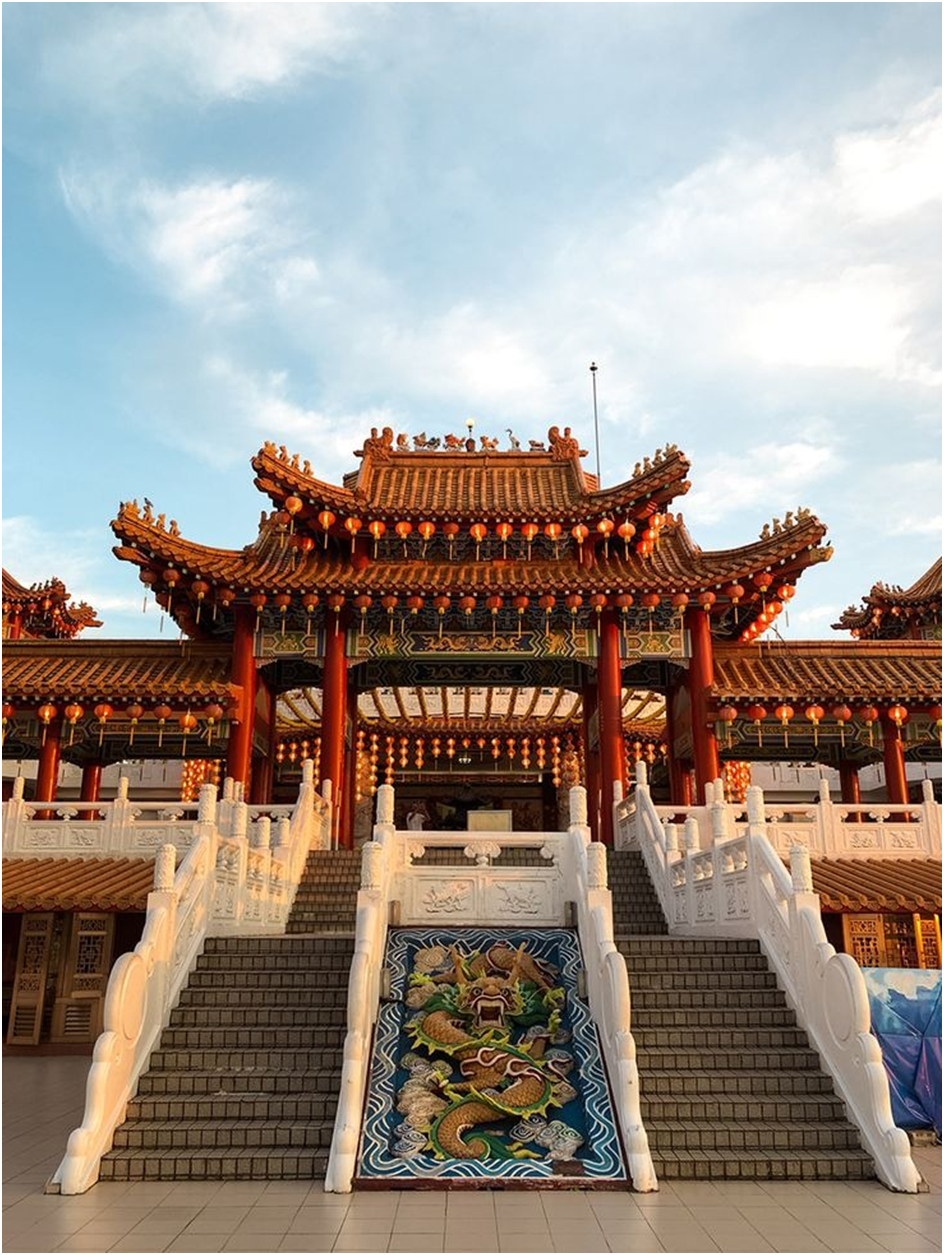
Langkawi -An archipelago of 99 islands known for white-sand beaches, the Sky Bridge, waterfalls, and duty-free shopping.
Perhentian Islands - A backpacker favorite for snorkeling, diving, and turquoise waters with laid-back island vibes.
Tioman Island -A lush island in the South China Sea, offering diving, jungle treks, and serene beaches.
Redang Island -Known for crystal-clear waters and coral reefs, ideal for luxury resort stays and snorkeling.
Cameron Highlands -A cool escape in the mountains with tea plantations, strawberry farms, and jungle walks.
Taman Negara -One of the world’s oldest rainforests, offering canopy walks, river cruises, and wildlife spotting.
Kinabalu Park (Sabah, Borneo) -A UNESCO World Heritage Site and home to Mount Kinabalu, Malaysia’s highest peak and a top hiking destination.
Bako National Park (Sarawak, Borneo) -Famous for its wildlife (like proboscis monkeys), mangroves, and rugged coastline.
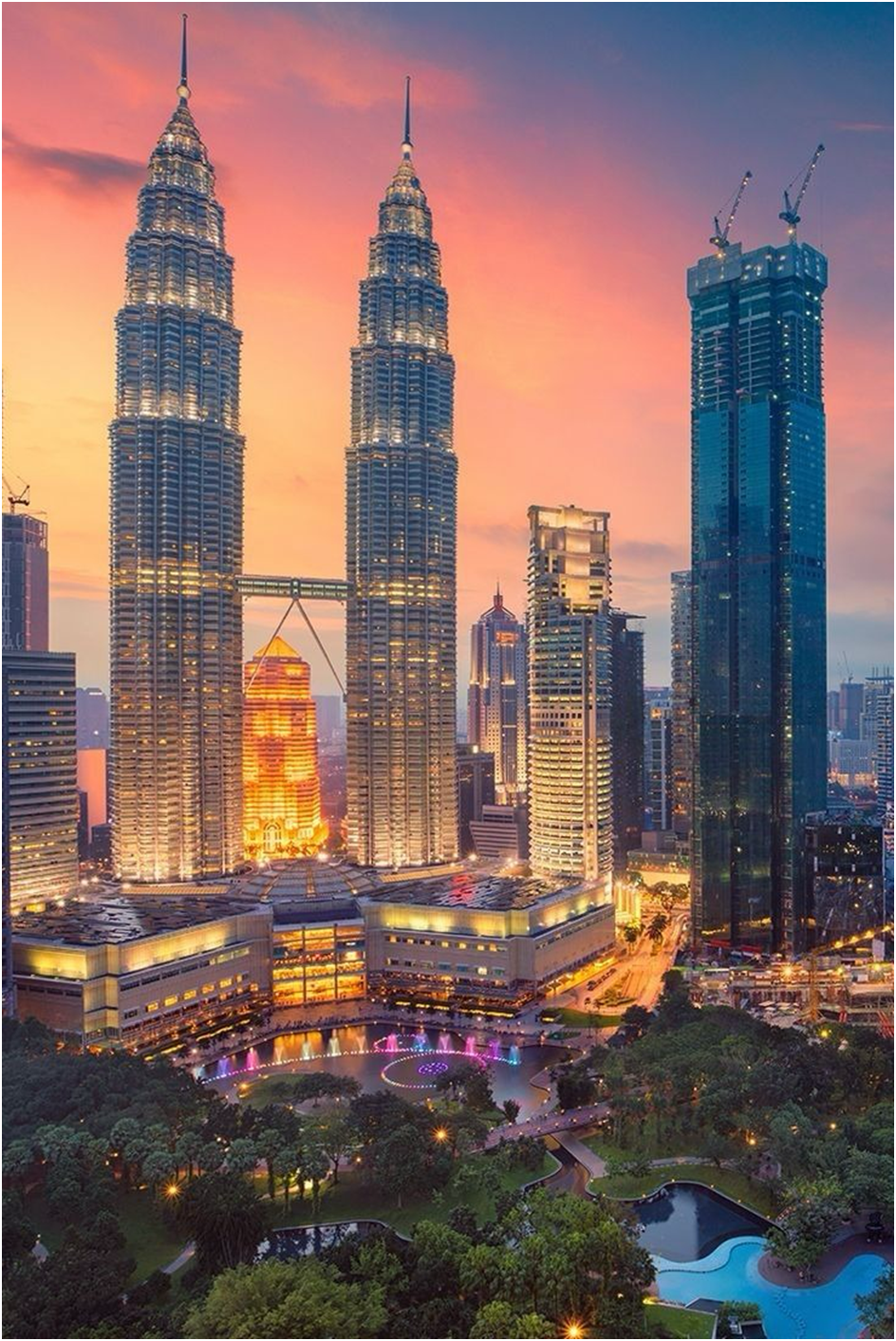
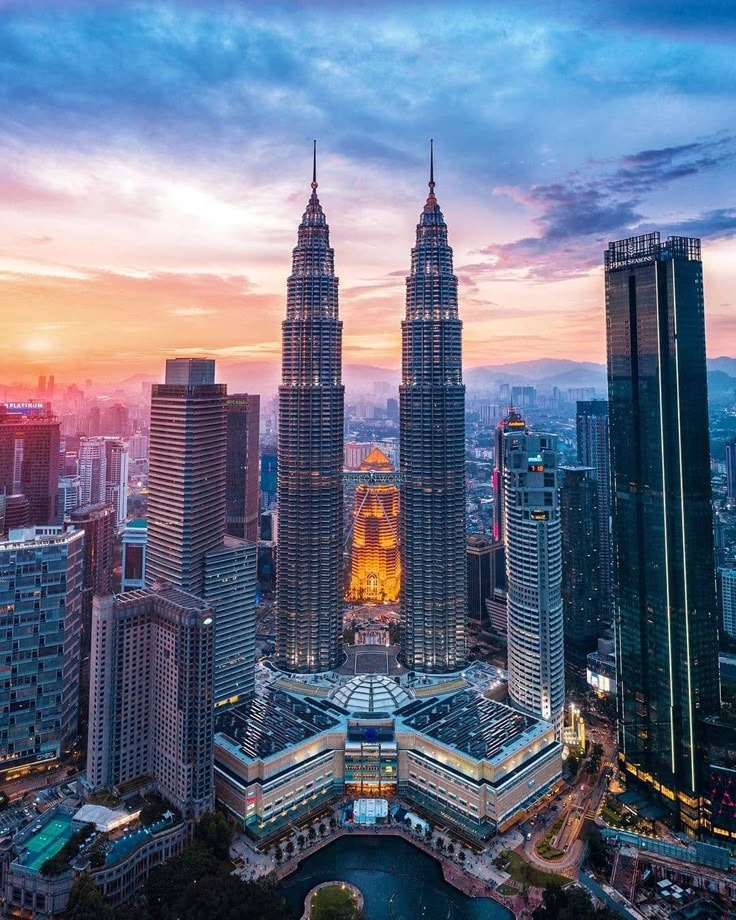
Putrajaya -Malaysia’s administrative capital, with striking modern Islamic architecture, man-made lakes, and government buildings.
Sunway Lagoon -A massive theme park near Kuala Lumpur offering water slides, roller coasters, and adventure zones.
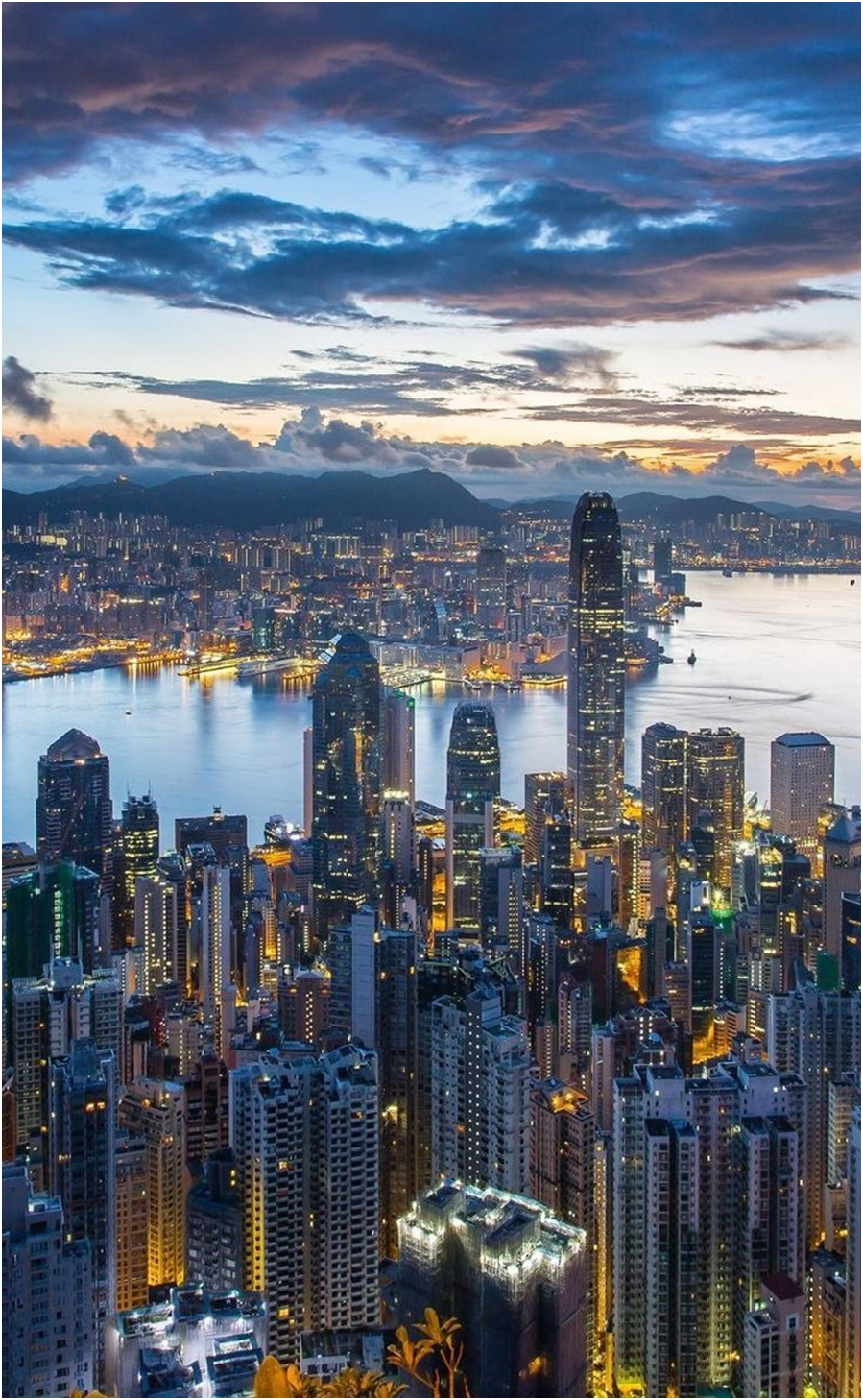
Victoria Peak (The Peak) -The highest point on Hong Kong Island offers panoramic views of the city skyline and Victoria Harbour—best seen from the Peak Tram or Sky Terrace 428
Victoria Harbour & Symphony of Lights -A must-see, especially at night. Take a Star Ferry ride or enjoy the nightly Symphony of Lights show that lights up the skyline.
Tsim Sha Tsui Promenade -A waterfront walk with views of Hong Kong Island, the Clock Tower, Avenue of Stars, and access to cultural venues like the Hong Kong Museum of Art.
Man Mo Temple - One of the oldest temples in Hong Kong, dedicated to the gods of literature and war, filled with incense coils and cultural symbolism.
Ten Thousand Buddhas Monastery (Sha Tin) - A hilltop monastery with over 10,000 golden Buddha statues lining the stairway.
Chi Lin Nunnery & Nan Lian Garden - A serene retreat in Diamond Hill showcasing Tang Dynasty-style architecture, lotus ponds, and tranquil gardens.
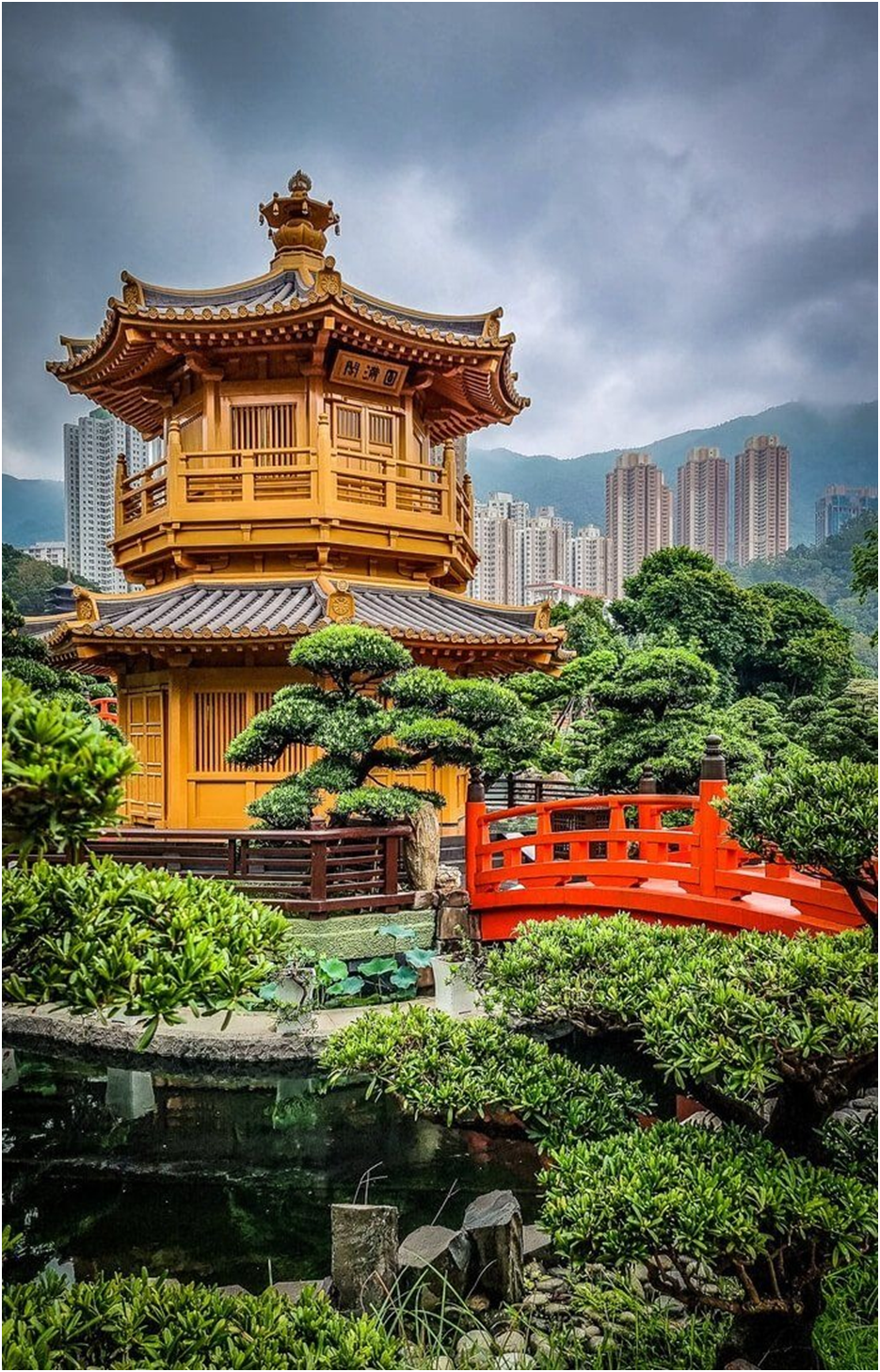
Dragon’s Back Hike -A scenic ridge trail offering spectacular coastal views, ideal for casual hikers and nature lovers.
Lantau Island -Home to Tian Tan Buddha (Big Buddha), Ngong Ping 360 cable car, Po Lin Monastery, and Tai O Fishing Village—a picturesque blend of spirituality and culture.
Sai Kung Peninsula -Known as the "back garden of Hong Kong," offering clear beaches, hiking trails, and boat tours to hidden coves and sea caves.
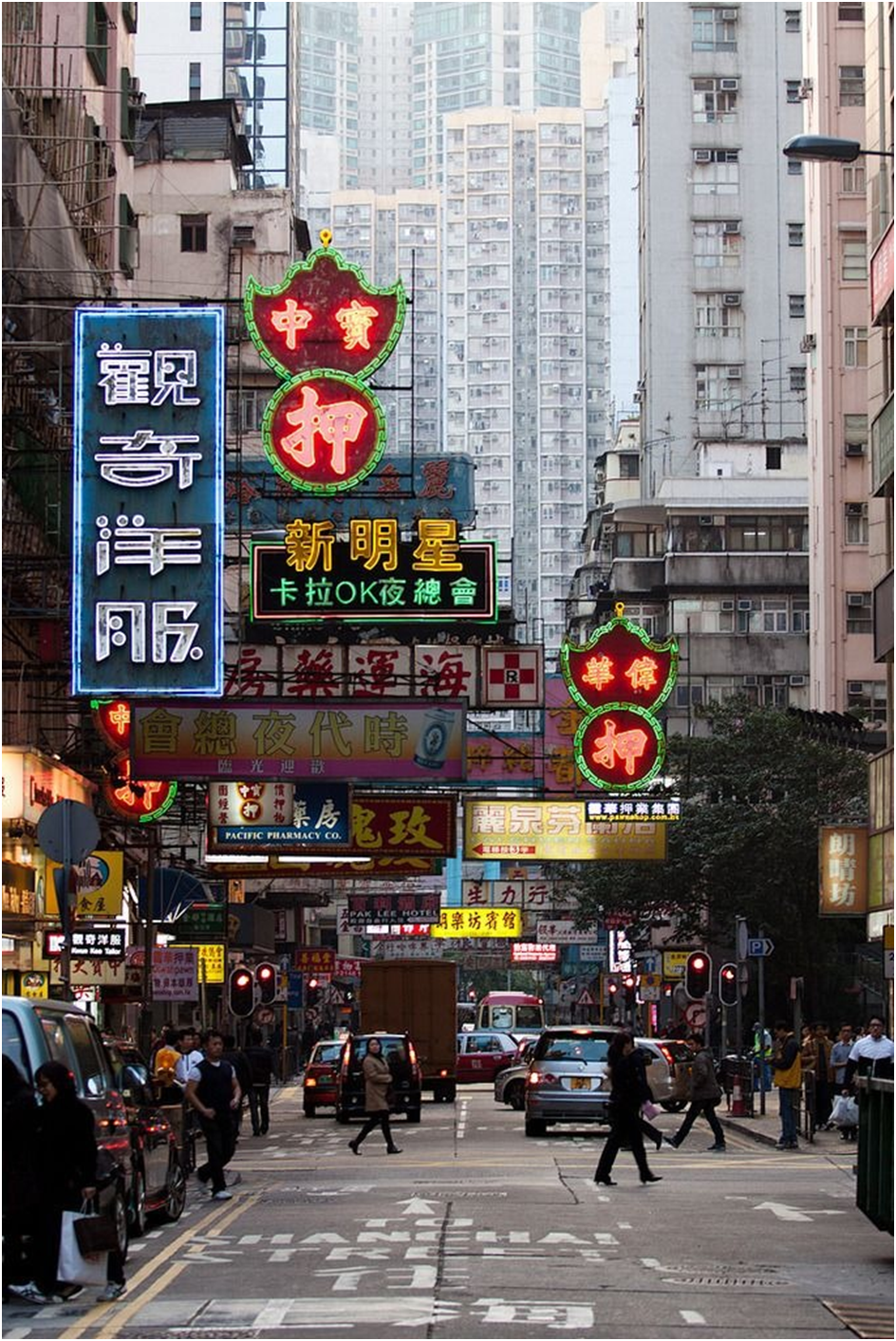
Ladies' Market (Mong Kok) -A bustling street market for fashion, souvenirs, and local snacks.
Temple Street Night Market-Vibrant nighttime shopping with street food, fortune tellers, and open-air entertainment.
Stanley Market -A coastal market famous for art, clothing, and a relaxed seaside atmosphere.
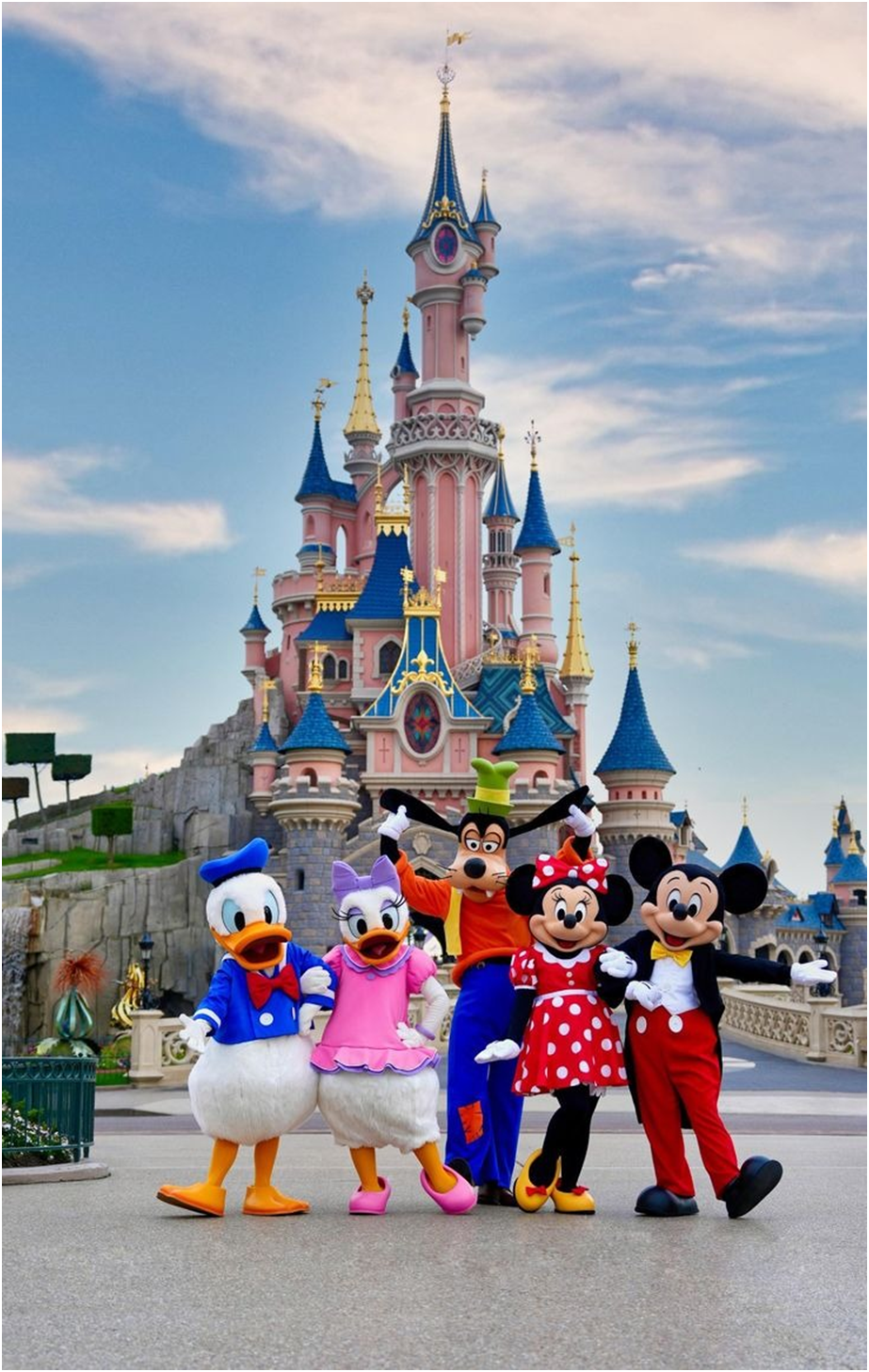
Hong Kong Disneyland -A family-friendly theme park with Disney rides, parades, and live performances.
Ocean Park Hong Kong -A marine-themed park with aquariums, roller coasters, and animal encounters, popular with both locals and tourists.
Sky100 Observation DeckLocated on the 100th floor of the International Commerce Centre (ICC), offering 360-degree views of the city.
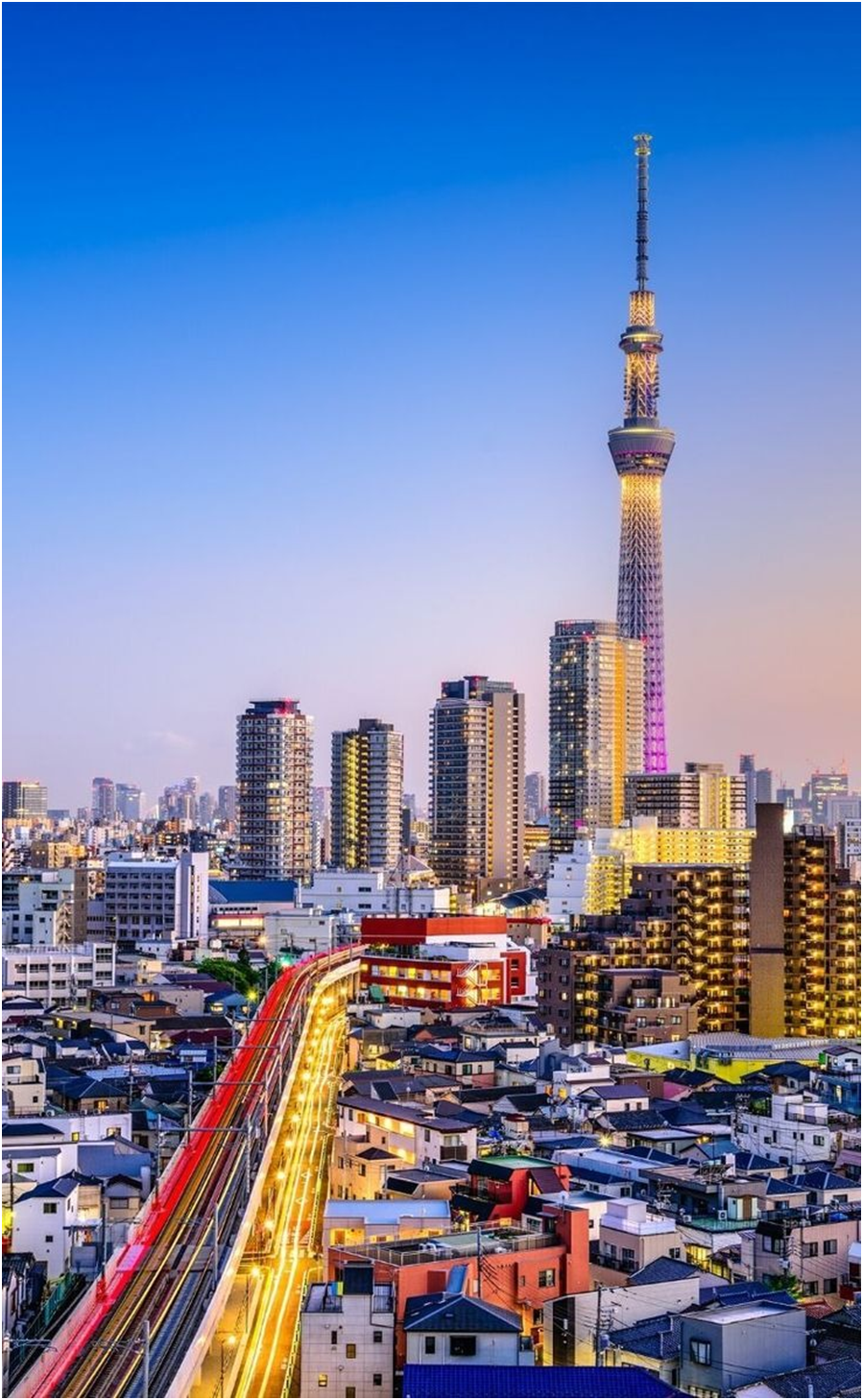
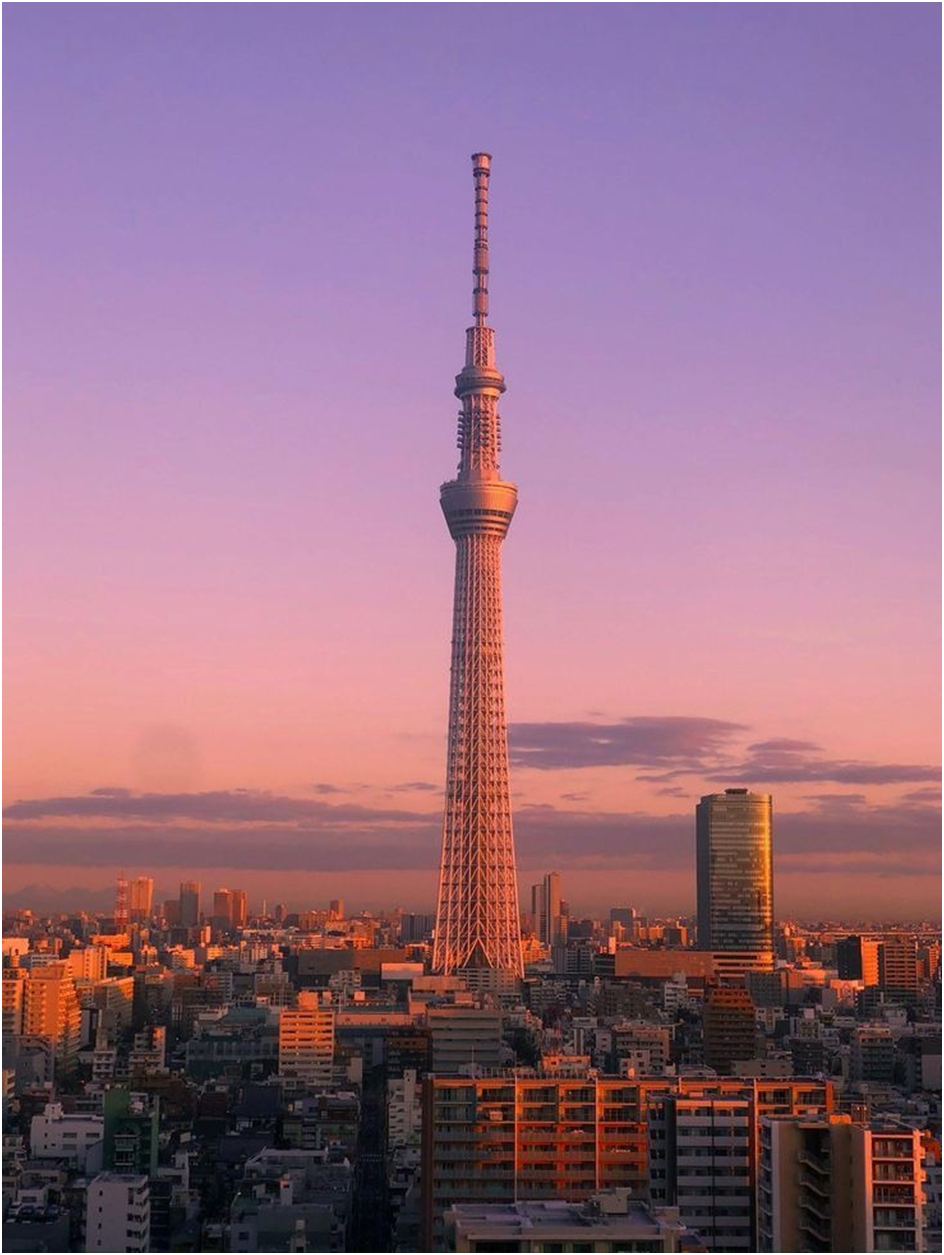
Tokyo -Japan’s dynamic capital, offering everything from futuristic skyscrapers in Shibuya to ancient temples in Asakusa. Don’t miss Tokyo Tower, Shinjuku, Tsukiji Market, and teamLab Planets.
Osaka-Known for its street food (takoyaki, okonomiyaki), vibrant nightlife in Dotonbori, and attractions like Osaka Castle and Universal Studios Japan.
Kyoto -The cultural heart of Japan, with over 1,000 temples, including Fushimi Inari Shrine, Kinkaku-ji (Golden Pavilion), and Arashiyama Bamboo Grove.
Hiroshima -A city of peace and reflection, home to the Peace Memorial Park, Atomic Bomb Dome, and nearby Miyajima Island with the floating torii gate.
Yokohama -A coastal city near Tokyo, famous for its modern harbor area, Cup Noodles Museum, and Chinatown.
Nara – Home to Japan’s largest bronze Buddha at Todai-ji Temple, as well as friendly deer roaming freely in Nara Park.
Nikko – A UNESCO World Heritage Site north of Tokyo, featuring ornate shrines like Toshogu Shrine, waterfalls, and scenic mountains.
Kanazawa – Known for Kenroku-en Garden, samurai districts, and preserved Edo-period neighborhoods.
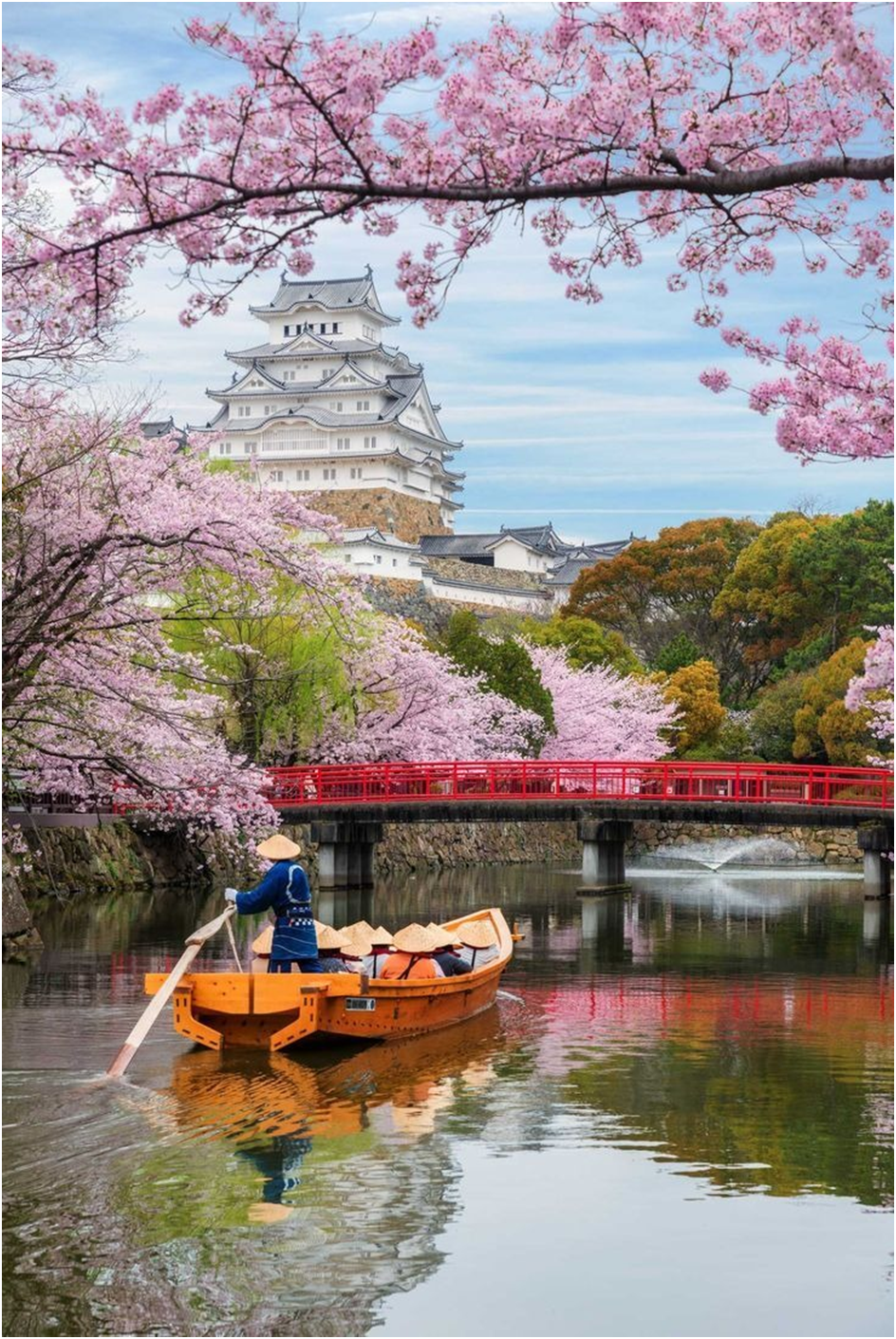
Himeji Castle – Japan’s most famous and best-preserved feudal castle, often called the "White Heron Castle."
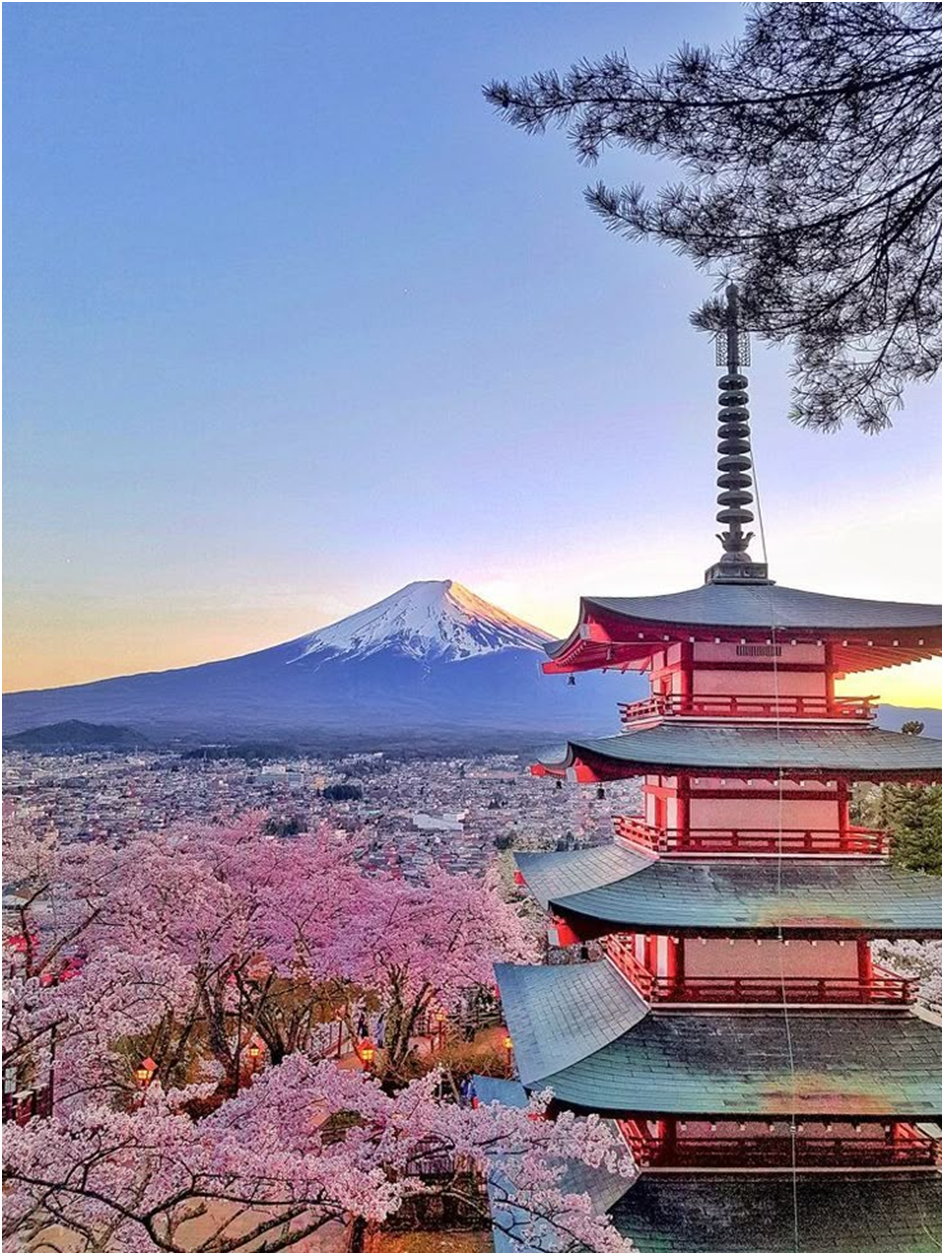
Mount Fuji – Japan’s iconic volcano and a pilgrimage site, ideal for hiking (in season) and viewing from the Fuji Five Lakes or Hakone.
Hakone – A hot spring resort area near Tokyo with lake cruises, open-air museums, and views of Mount Fuji.
Kamakura – A coastal town with the Great Buddha (Daibutsu), Zen temples, and surfing beaches.
Shirakawa-go – A traditional village in the Japanese Alps, famous for its thatched-roof gassho-zukuri houses and winter scenery.
Takayama – A charming mountain town with old wooden houses, sake breweries, and traditional festivals.
Cherry Blossom Viewing (Hanami) – Ueno Park (Tokyo), Philosopher’s Path (Kyoto), and Hirosaki Castle are top spots in spring (late March–April).
Autumn Foliage – Visit Nikko, Kyoto, and Lake Kawaguchi in late October to early December for vibrant fall colors.
Stay in a Ryokan (Traditional Inn) – Experience Japanese hospitality, tatami rooms, and onsen baths in towns like Hakone, Kusatsu, or Beppu.
Ride the Shinkansen (Bullet Train) – A fast and efficient way to see the country, offering comfort and scenic views.
Japanese Themed Cafes – Try a maid café, animal café, or robot café for a fun cultural experience in Tokyo or Osaka.
Sumo Tournament or Tea Ceremony – Attend a match in Ryogoku (Tokyo) or join a tea ceremony in Kyoto for an authentic cultural encounter.